Team Dynamics and Equine Pedigrees Shape Decision Patterns Across Football and Horse Racing
Rafael Richter · Sep 6, 2026
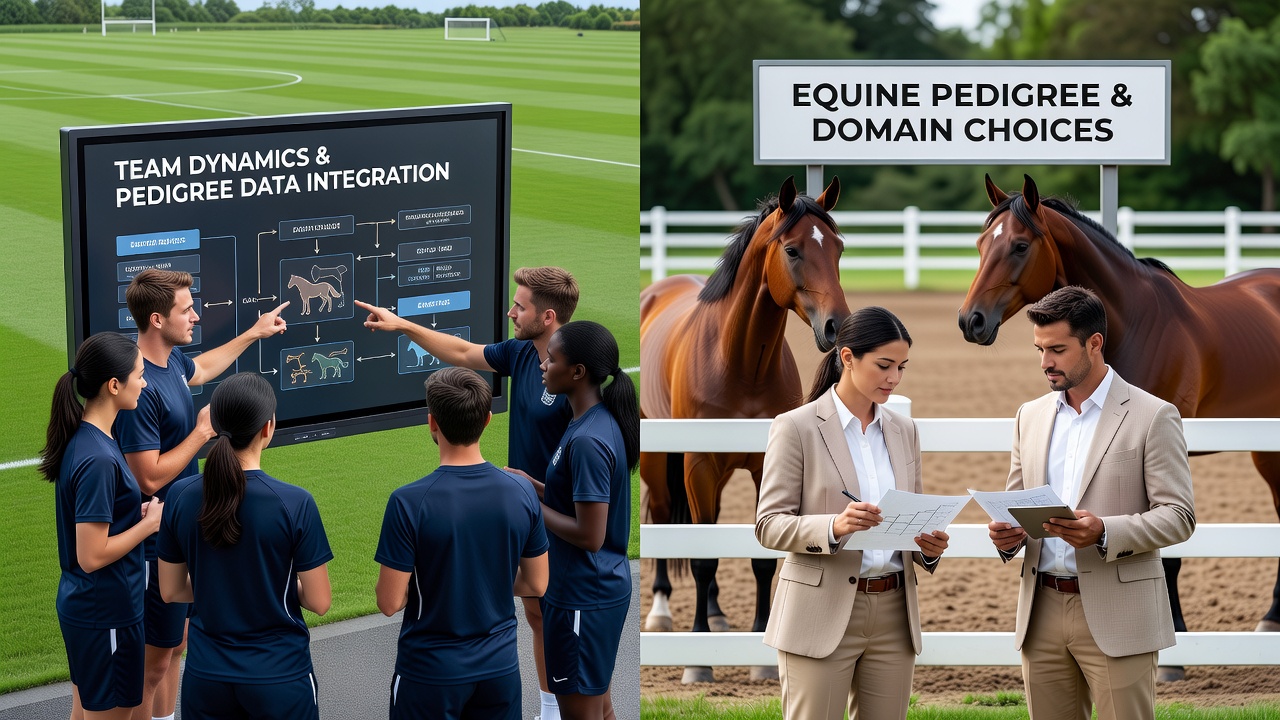
Team Dynamics and Equine Pedigrees Shape Decision Patterns Across Football and Horse Racing
Analysts examine how collective behaviors within football squads connect with ancestral traits documented in thoroughbred bloodlines, and these elements guide selections in both the pitch environment and the paddock setting. Data compiled across multiple seasons reveals consistent patterns where squad cohesion metrics align with outcomes in matches, while pedigree records predict performance variables in races, and observers track these intersections to refine approaches that span the two domains.
Team Dynamics in Football Contexts
Football squads demonstrate measurable group interactions that include passing networks, defensive positioning, and recovery rates after turnovers, and researchers at institutions such as the Australian Sports Commission have quantified these factors through video analysis and statistical modeling. Squads that maintain high coordination scores during high-pressure sequences show elevated win percentages, whereas fragmented units record lower success rates even when individual talent levels remain comparable. In September 2026, updated datasets from European leagues highlighted how mid-season roster adjustments alter these dynamics, with clubs that integrate new players through structured training protocols experiencing faster stabilization in team output.
Performance indicators collected from professional competitions further illustrate that captaincy structures and substitute patterns influence overall flow, and these variables become inputs for predictive frameworks used by analysts who evaluate upcoming fixtures. Evidence from longitudinal studies indicates that teams exhibiting consistent communication patterns during set pieces maintain advantages over opponents who rely solely on athletic attributes.
Equine Pedigrees in Racing Environments
Thoroughbred pedigrees compile generational data on speed, stamina, and surface preferences, and breeders along with trainers consult these records when matching horses to race conditions. Records maintained by organizations including the Canadian Thoroughbred Horse Society demonstrate that certain sire lines produce progeny with statistically higher placement rates on turf versus dirt tracks. Pedigree depth also correlates with injury resilience metrics, allowing paddock observers to anticipate how a horse might respond to campaign length and travel demands.

Form cycles intersect with these genetic profiles, and handicappers incorporate both elements when constructing entries for handicaps or stakes races. September 2026 figures released by racing authorities showed that horses from proven distance-oriented bloodlines achieved improved strike rates in autumn meetings compared with earlier projections that overlooked pedigree filters.
Cross-Domain Application in Selection Processes
Practitioners who operate across football and horse racing apply parallel evaluation methods, transferring concepts such as synergy assessment from squad analysis to lineage evaluation in equine contexts. One documented case involved a research group that mapped football passing efficiency scores onto pedigree performance indices, revealing overlapping statistical distributions that informed multi-sport selection models. Those who study these overlaps note that environmental variables, including track conditions or pitch quality, modify the weight assigned to each data stream.
Industry reports from 2026 indicate rising adoption of integrated software platforms that combine team metric dashboards with equine database queries, and users access these tools to generate composite rankings for events scheduled on the same calendar weekend. Such platforms process inputs from video feeds and bloodstock archives simultaneously, producing outputs that reflect both domains without requiring separate workflows.
Conclusion
Patterns emerge when team interaction data from football meets ancestral information from horse racing, and these patterns support structured decision frameworks that span pitch and paddock settings. Continued collection of performance statistics through 2026 and beyond supplies additional material for refining these connections, while organizations maintain records that enable ongoing comparison across the two fields.