Resource Layering in Cross-Discipline Cycles: Bettors Sequence Stakes Across Equine Circuits and Racket Events
Erik Peters · Jul 18, 2026
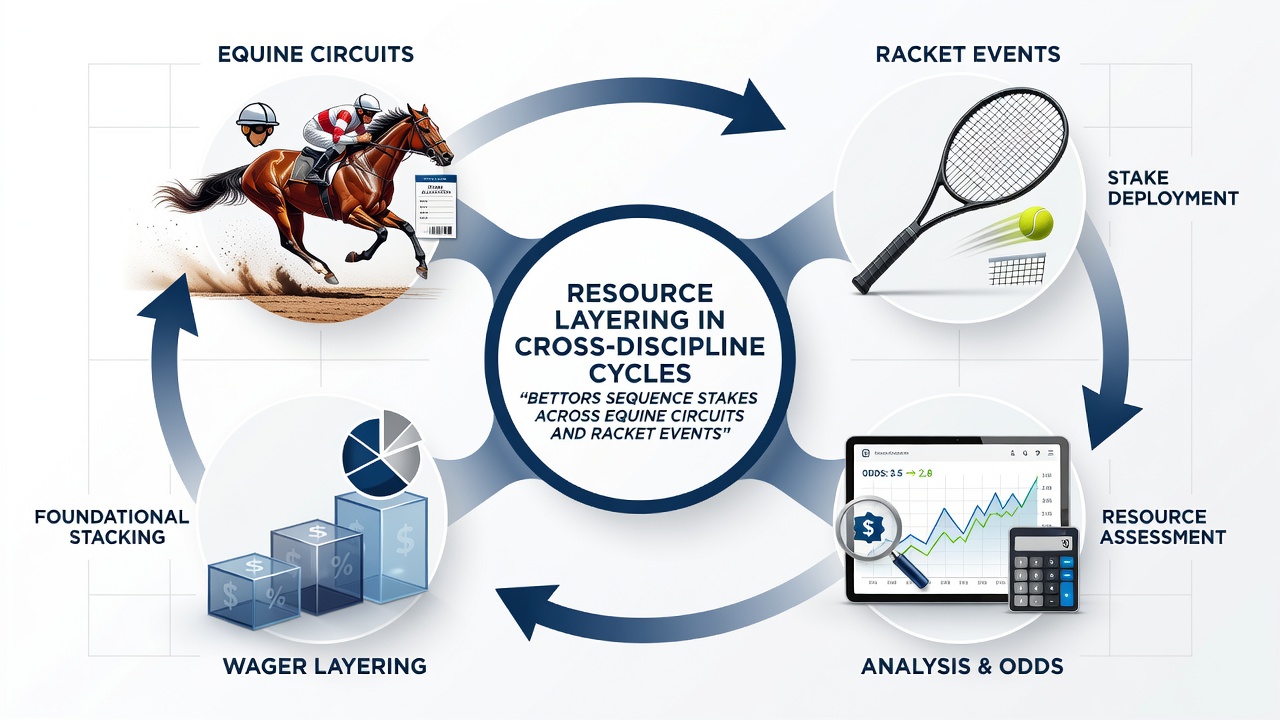
Resource Layering in Cross-Discipline Cycles: Bettors Sequence Stakes Across Equine Circuits and Racket Events
Resource layering describes a structured approach where participants allocate portions of available funds across distinct event categories that operate on separate calendars, and equine circuits along with racket events provide clear examples of this sequencing in practice. Horse racing circuits follow patterns tied to seasonal meets at various tracks while tennis tournaments rotate through different surfaces and locations throughout the year, creating opportunities for staggered stake deployment that match the timing of each discipline's peak periods.
Understanding Equine Circuit Timelines
Equine events unfold in distinct phases with flat racing dominating summer months in many regions and jump racing taking precedence during winter schedules, according to data compiled by the Australian Gambling Research Centre. Bettors who layer resources typically assign initial stakes to early-season meetings then adjust allocations as form patterns emerge from subsequent fixtures. This method connects directly to the availability of fresh information from each race day without requiring simultaneous commitments across unrelated categories.
Studies from Canadian gaming industry reports indicate that participants often reserve larger portions of their total bankroll for circuits that feature higher prize pools during specific months, such as major festival events in July. Sequencing allows gradual exposure where early results inform later stake sizes, and overlapping international circuits add further layers as southern hemisphere seasons run counter to northern schedules.
Racket Event Structures and Integration Points
Racket competitions follow a calendar of weekly tournaments that build toward larger draws, with surface changes from clay to grass creating distinct performance variables that affect outcome probabilities. Data from European sports economics research shows that these events cluster around certain periods, allowing bettors to align smaller initial positions with qualification rounds before committing additional resources to later stages based on observed momentum shifts.
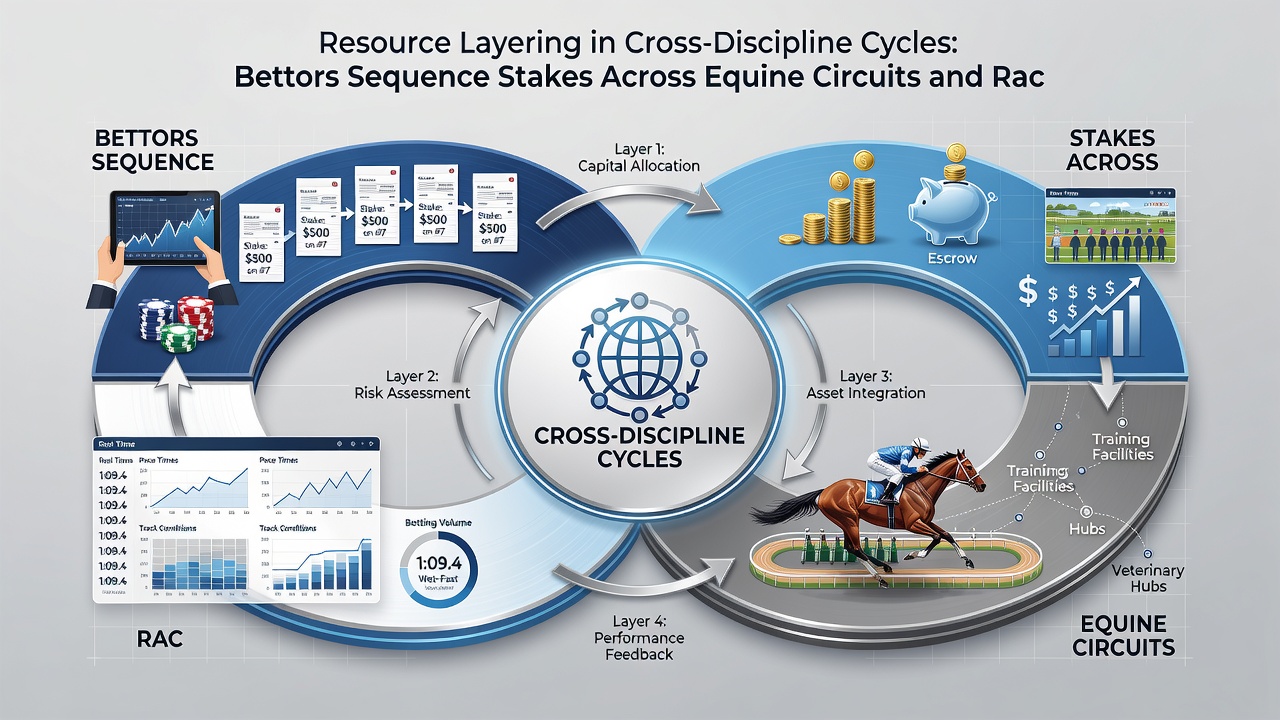
Observers note that combining racket cycles with equine ones requires careful timing because grand slam periods often coincide with key racing festivals, and those who sequence stakes maintain separate tracking mechanisms for each discipline's bankroll segment. One documented approach involves dividing total resources into three tiers where the first supports consistent equine wagers, the second targets racket qualifiers, and the third activates only when both categories show aligned value indicators during July windows.
Practical Sequencing Methods Across Disciplines
Participants apply layering by establishing base stakes for primary circuits then using performance data from completed events to scale positions in secondary categories. Research published through the National Council on Problem Gambling in the United States highlights how such cross-discipline allocation reduces concentration risk by spreading exposure over non-correlated outcomes, and figures reveal measurable differences in variance when compared to single-category approaches.
Take one case where bettors tracked a European tennis swing alongside Australian thoroughbred meets, and they adjusted allocations weekly based on updated form lines rather than fixed schedules. The method connects results from one discipline to stake sizing in the other through shared bankroll oversight, and industry organizations like the World Lottery Association have documented similar patterns in participant behavior across multiple markets.
Data Patterns in Cross-Cycle Allocation
Analysis of participation records shows that those maintaining discipline-specific ledgers achieve steadier progression through layered adjustments, particularly when equine and racket calendars create natural gaps for review periods. Evidence from academic papers on sports economics suggests that July periods often mark transition points where northern racing intensifies while southern tennis events conclude, prompting reallocations between the two.
Bettors sequence stakes by monitoring key indicators such as trainer statistics in racing alongside player surface records in tennis, then apply proportional increases only after confirming consistency across both datasets. This creates a feedback loop where information from completed cycles directly influences the next layer of commitments without requiring simultaneous high exposure in any single area.
Conclusion
Resource layering across equine circuits and racket events centers on timed allocation that follows the natural rhythm of each category's schedule, and available data demonstrates how such sequencing distributes commitments according to emerging information rather than fixed amounts. Those who track separate segments for horse racing and tennis maintain structured oversight that aligns with calendar overlaps, and reports from varied regulatory and research bodies confirm these patterns persist through seasonal transitions like those observed in July 2026.