Evoke's Retail Reset: Closing 200 UK Betting Shops from May 2026 Amid Surging Costs and Tax Pressures
Yves Griffin · Apr 5, 2026

Evoke's Retail Reset: Closing 200 UK Betting Shops from May 2026 Amid Surging Costs and Tax Pressures
The Announcement That Shook the High Street
British betting firm Evoke, known for its extensive network of Paddy Power and Betfair outlets, revealed plans to shutter around 200 shops across the UK starting in May 2026, a move tied directly to escalating operational costs and fresh tax burdens from a government crackdown on gambling; the company emphasized that these closures target underperforming locations to streamline a more efficient core retail estate with prime spots for customer traffic and profitability. Reports from Bloomberg, carried by Reuters, highlighted how this decision reflects broader strains in the sector as regulatory shifts bite harder into margins. And while April 2026 brought no immediate changes—shops continued normal operations amid watchful eyes from staff and punters—the countdown to May loomed large, with executives framing the cuts as essential for long-term viability in a landscape where online betting dominates but physical sites still draw loyal crowds.
Evoke's statement laid it out plainly: rising expenses for rent, energy, and staffing, combined with higher taxes imposed by Chancellor-led reforms, made many shops unsustainable; those locations, often in less optimal urban or suburban pockets, simply couldn't justify the overhead. Data from industry trackers shows betting shop numbers have dwindled steadily over years past, yet this batch of 200 marks a significant acceleration, especially as the firm eyes redirecting funds toward digital platforms and select high-street survivors.
Evoke's Place in the UK Betting Scene
Founded through mergers that birthed Paddy Power Betfair—now under the Evoke PLC banner—the company commands a hefty slice of both online and retail gambling in the UK and Ireland; its shops, numbering over 600 before this news, serve as community hubs where punters place bets on football matches, horse races, and more, often blending instant gratification with the social buzz of in-person wagering. Observers note how Evoke built its empire on high-street visibility, but shifts toward mobile apps and websites have eroded that edge, particularly as younger bettors skip the queue for smartphone screens.
What's interesting here lies in the timing: with the UK economy navigating post-pandemic recovery and inflation spikes, physical retail across sectors faces headwinds, and betting outlets prove no exception; Evoke's portfolio, concentrated in England, Scotland, and Wales, includes flagship stores in bustling city centers alongside quieter neighborhood setups, many of which now face the axe to preserve cash flow for tech upgrades and marketing pushes.
Pinpointing the Pressures: Costs, Taxes, and the Chancellor's Hand
Rising operational costs hit hard—energy bills soared amid global supply crunches, rents climbed in competitive high streets, and wages rose to attract staff in a tight labor market—while the government's tax measures, unveiled in recent budgets under the Chancellor of the Exchequer, added direct hits via increased duties on fixed-odds betting terminals (FOBTs) and broader levies on shop revenues; these reforms, aimed at curbing problem gambling and channeling funds to public services, effectively raised the bar for brick-and-mortar viability. According to analyses from the European Gaming and Betting Association, similar regulatory tightenings across Europe have prompted operators to prune physical footprints, a pattern Evoke now follows by prioritizing shops with strong footfall and low overheads.
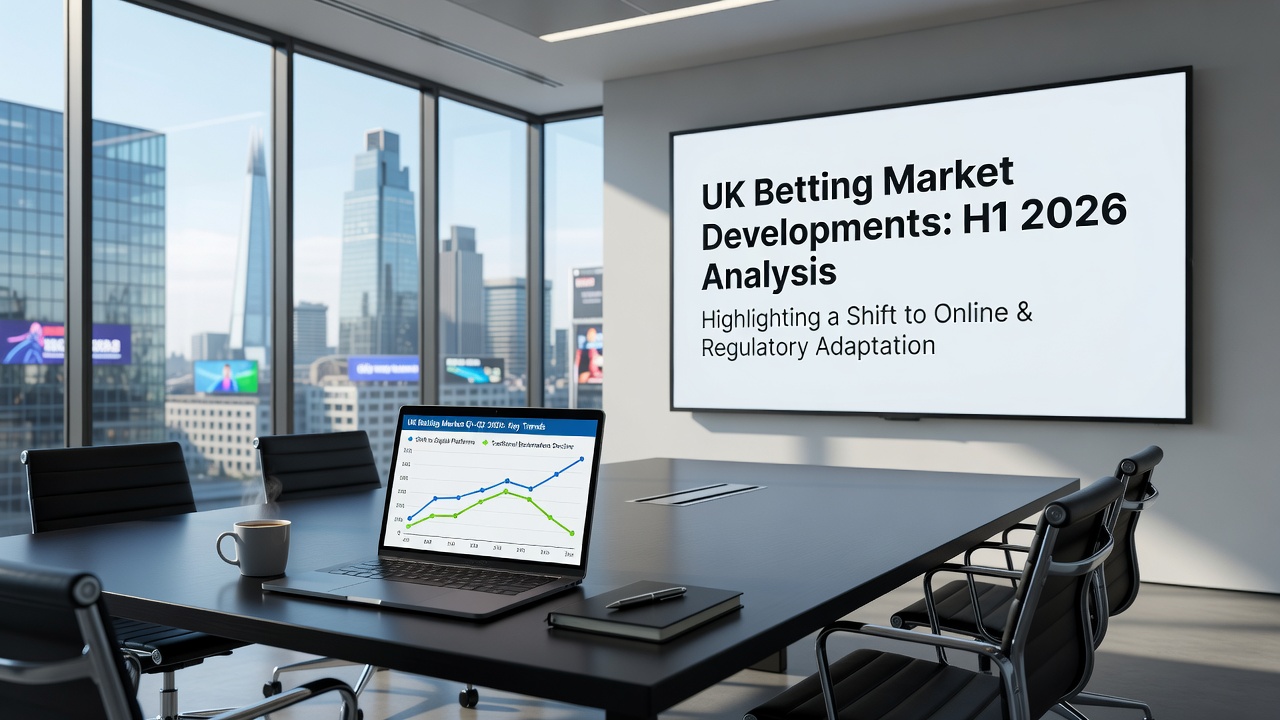
Take one typical affected shop: tucked in a secondary high street with modest daily turnover, it struggles against online rivals offering better odds and bonuses; Evoke's strategy weeds out such spots, consolidating around 400 surviving outlets that boast optimal locations near transport hubs or sports venues, where punters still flock for race-day thrills or live match stakes. But here's the thing—those closures won't happen overnight; starting May 2026, the process unfolds gradually, allowing time for staff redeployments and customer migrations to apps or nearby survivors.
Regulatory Ripples and Industry-Wide Echoes
The Chancellor's crackdown forms part of a multi-year push to modernize gambling oversight, hiking taxes on land-based operations while online sectors shoulder adjusted remote gaming duties; figures reveal betting shops contributed billions in levies annually, yet profitability per unit has slid as digital alternatives capture 70% of wagers, per sector benchmarks. Researchers who've tracked these trends point to precedents—rival firms like Entain and Flutter trimmed shops earlier under similar strains—underscoring how Evoke's move aligns with a sector pivot toward efficiency.
And while April 2026 saw business as usual, with punters lining up for Grand National ante-post bets or Premier League accumulators, whispers of impending changes filtered through staff briefings; Evoke assured that customer accounts transfer seamlessly, preserving loyalty programs and bet histories. This development spotlights ongoing pressures: high streets lose another retail staple, jobs face uncertainty (though exact figures remain undisclosed), and communities ponder the void left by these social anchors.
Strategic Shifts: What's Next for Evoke's Retail Core
Post-closures, Evoke plans a leaner, meaner estate—fewer than 400 shops, each vetted for peak performance via data on traffic, spend per visit, and conversion rates; investments flow toward refits with better screens for live streams, enhanced self-service kiosks, and hybrid setups blending retail with app promotions. People who've studied operator playbooks know this mirrors global patterns, from Australian chains adapting to point-of-consumption taxes (as detailed in studies from the Australian Gambling Research Centre) to U.S. sportsbooks emphasizing venues near stadiums.
Turns out, the firm's Irish roots—headquartered in Dublin—lend perspective on cross-border ops, where online growth outpaces physical; by May 2026, as shutters fall on 200 sites, expect press releases touting redirected capital into Betfair Exchange enhancements or Paddy Power's viral campaigns, keeping the brand punchy amid the squeeze. One case stands out: a pilot program in select shops already tests cashless payments and VR race views, hints of the future core.
Impacts on Jobs, Punters, and Local Economies
Each shop closure ripples outward—staff numbers, potentially hundreds across managerial, till, and cleaning roles, prompt retraining offers or payouts, though Evoke hasn't quantified the total; punters, those die-hards who relish the chat and instant payouts, must adapt to nearby alternatives or digital shifts, a transition smoothed by loyalty perks. Local councils, reliant on business rates from these outlets, face revenue dips, while high streets—already battered by e-commerce—lose footfall magnets that drew evening crowds.
Yet observers note upsides: surviving shops gain from reduced competition within chains, potentially boosting service quality; for the industry, this culls weak links, strengthening survivors against economic wobbles. It's noteworthy that Evoke frames this not as retreat, but reinvention, channeling savings into sustainable growth.
Looking Ahead: A Leaner Betting Landscape
As May 2026 approaches, Evoke's overhaul underscores the UK's betting evolution—physical shops endure, but only the fittest in prime spots, while taxes and costs reshape priorities; the company positions itself for resilience, betting big on a hybrid model where retail complements online dominance. Data indicates this could stabilize margins long-term, even as regulators keep watch; for punters and stakeholders, the message rings clear: adapt or fade, in a sector where the house always evolves. This single move, closing 200 shops, crystallizes the tensions at play, setting the stage for whatever fiscal tweaks come next from the Chancellor.