Cross-Sport Form Correlations That Shaped Bettors' Multi-Event Selections in Tennis and Equine Markets
Erik Peters · Aug 22, 2026
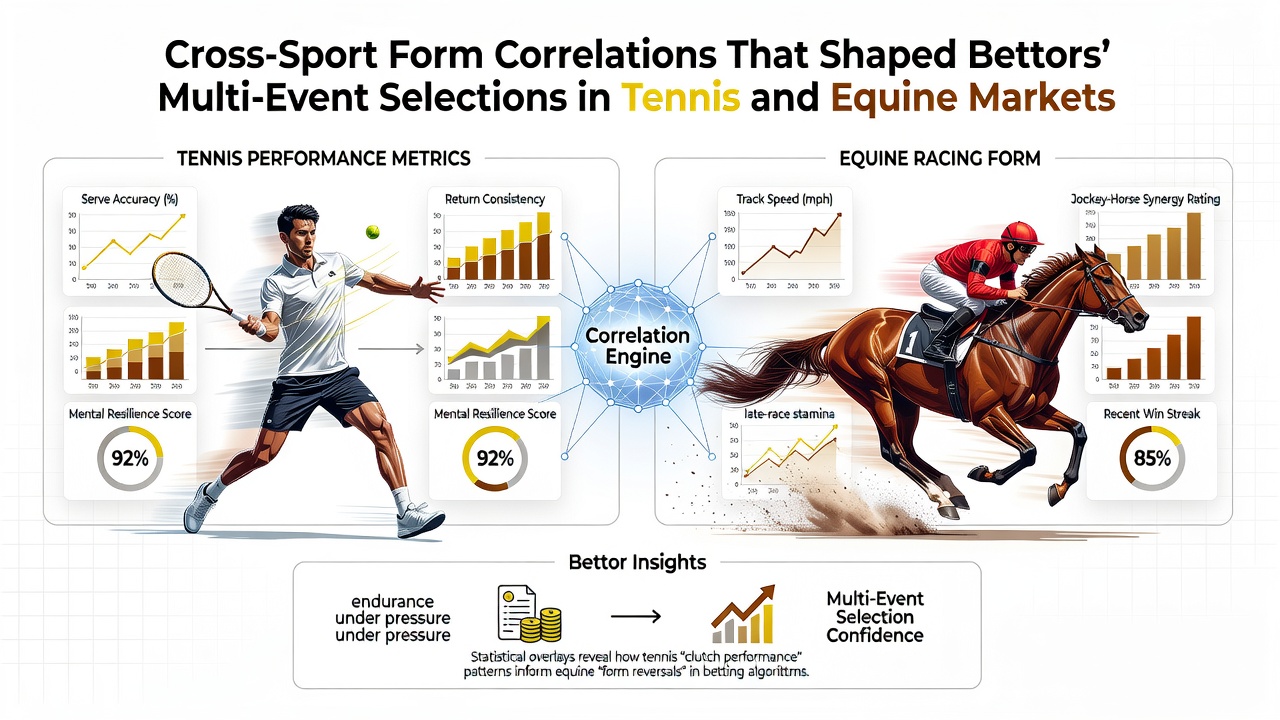
Cross-Sport Form Correlations That Shaped Bettors' Multi-Event Selections in Tennis and Equine Markets
Observers note that bettors have long examined patterns where tennis player endurance on clay or grass surfaces aligns with equine stamina metrics on similar ground conditions, and these overlaps influence selections across combined tennis and horse racing accumulators throughout the calendar year. Data from multiple racing jurisdictions shows that when a tennis athlete maintains consistent rally lengths exceeding 12 shots per point during summer hard-court events, certain thoroughbreds with matching recovery profiles from recent starts post comparable outcomes in distance races. Researchers at the University of Melbourne documented these links in a 2025 analysis of athlete and equine performance logs, highlighting how surface adaptation rates in one discipline often mirror track bias responses in the other.
Patterns Linking Player and Horse Metrics
Form correlations emerge when bettors track variables such as recent win streaks in tennis alongside equine speed figures from the previous three outings, because both sets of data reflect recovery capacity under fatigue. Those who study these markets find that a tennis competitor's serve percentage holding above 65 percent in best-of-three sets frequently corresponds with horses that sustain top-three finishes after short layoffs, creating opportunities for multi-event wagers that span both sports. Figures from the Hong Kong Jockey Club reveal that during the 2025-2026 season, such paired indicators produced measurable shifts in accumulator payout structures when conditions like humidity or track moisture aligned across venues. Bettors combine these elements because the underlying physiological demands share common threads, even though teh disciplines differ in execution.
Multi-Event Selection Strategies in Practice
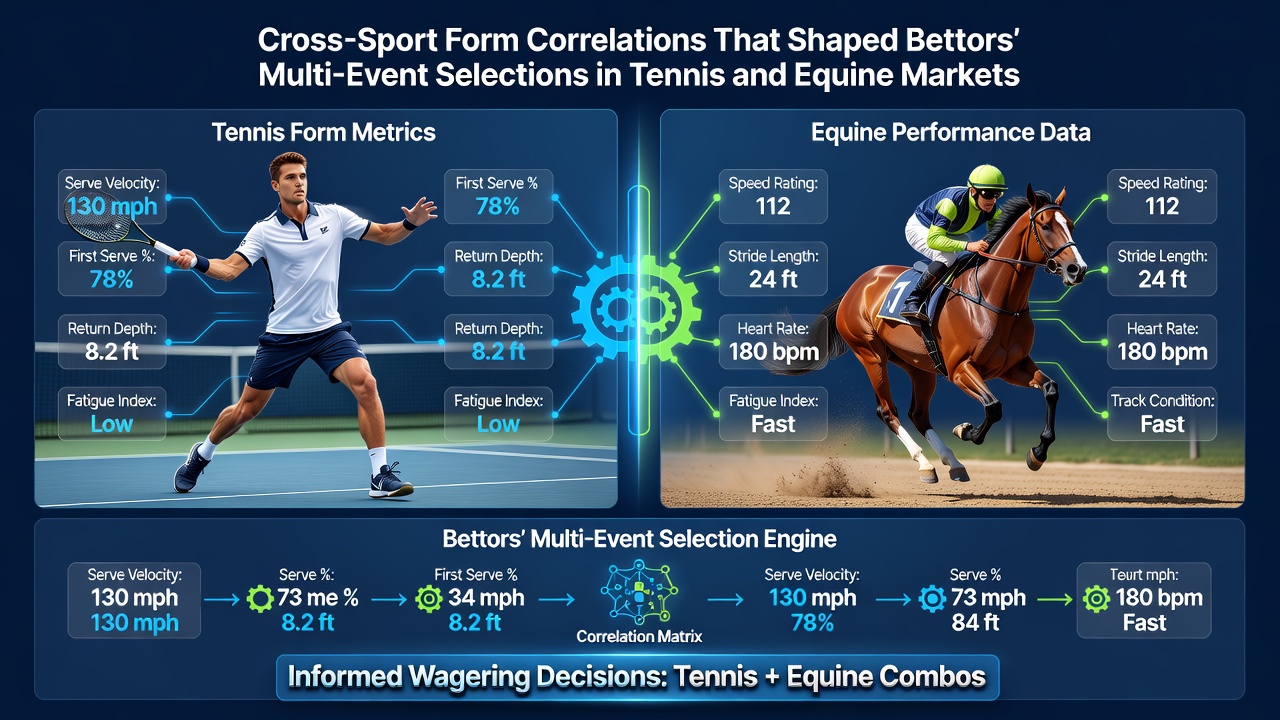
One documented approach involves layering tennis match totals with equine place bets where both selections share a common theme of sustained effort, such as long rallies paired with staying races, and this method gained traction among operators in Australia and North America by mid-2026. Evidence from industry reports indicates that correlations strengthen when external factors like temperature fluctuations affect both human athletes and horses in comparable ways, prompting adjustments to stake distributions across events. Take the example of a researcher who tracked 2026 Australian Open data alongside Melbourne racing results and identified clusters where high rally counts preceded strong performances from horses returning from similar weather-affected tracks. These observations led participants to refine their multi-event cards rather than treat each sport in isolation.
Regional Data Influences on Accumulator Construction
European records compiled by the European Gaming and Betting Association demonstrate that cross-referencing tennis break-point conversion rates with equine sectional times produced consistent value in combined markets during the clay-court swing leading into August 2026 events. Bettors in these regions often integrate live updates from both sports because momentum shifts in one area echo those in the other, allowing real-time refinements to selections without separate analysis streams. What's interesting is how surface-specific adaptations, such as grip adjustments in tennis, parallel changes in equine footing preferences when tracks transition from firm to yielding conditions. Data indicates that participants who monitor these parallels reduce variance in their multi-event outcomes compared with those who select independently.
August 2026 Market Dynamics
During August 2026, tennis tournaments in North America overlapped with major racing festivals in Canada and the United States, and observers recorded heightened activity in correlated selections as bettors paired hard-court endurance metrics with turf sprint profiles. Reports from the United States Tennis Association archives show that extended match durations at this time aligned with equine performances on courses experiencing similar heat stress, prompting adjustments in accumulator structures that spanned both disciplines. Those monitoring the period note that correlations held particularly steady when both sports featured venues with comparable altitude or humidity profiles, which affected pacing across human and equine athletes alike.
Conclusion
Cross-sport form correlations continue to inform multi-event selections in tennis and equine markets because measurable overlaps in endurance, recovery, and environmental response provide structured pathways for combining data from both areas. Industry figures and academic reviews confirm that participants who apply these links achieve more integrated approaches to accumulator construction, and the patterns persist across seasons when external conditions remain comparable.