Blending Football Season Metrics with Horse Racing Sprints Refines Staking Across Diverse Betting Portfolios
Yves Griffin · Oct 18, 2026
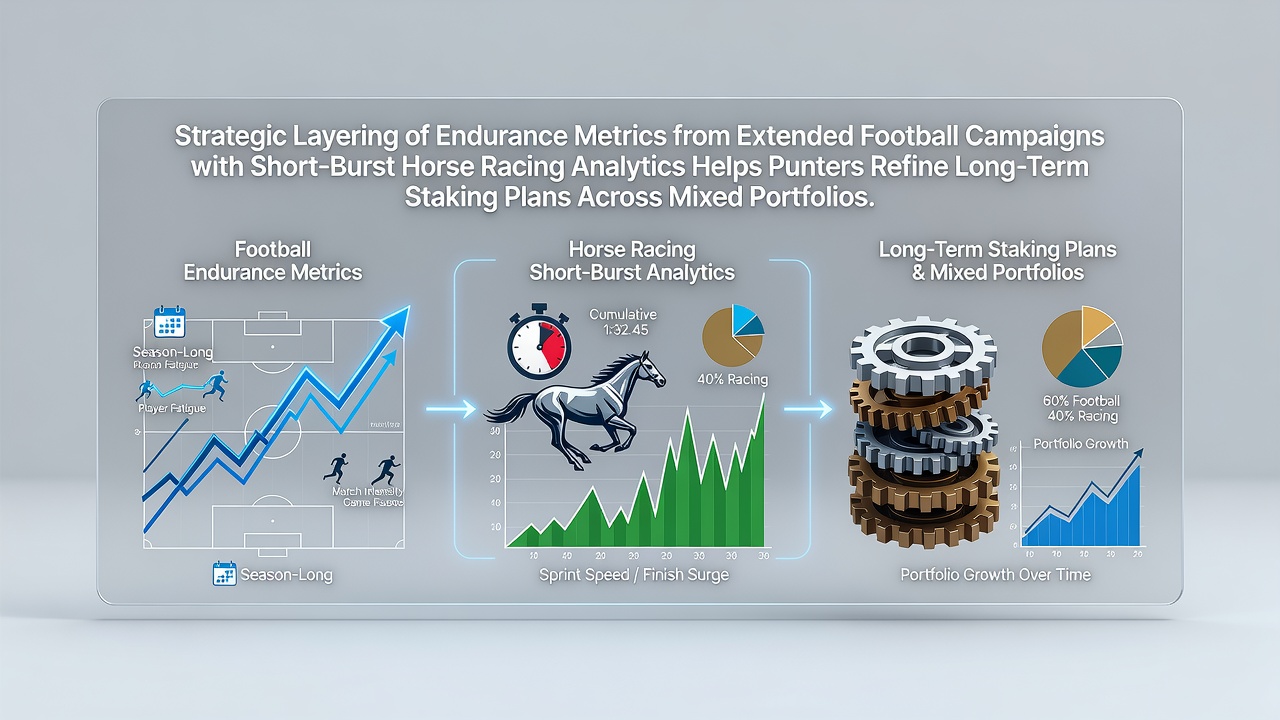
Blending Football Season Metrics with Horse Racing Sprints Refines Staking Across Diverse Betting Portfolios
Observers note that punters increasingly combine endurance metrics drawn from full football campaigns with short-burst performance indicators from horse racing to adjust staking across mixed portfolios, and data from industry reports shows this layered approach gained traction through 2025 and into October 2026.
Defining Endurance Metrics in Extended Football Seasons
Football campaigns stretch across nine months or more, and researchers track variables such as team recovery rates between matches, goal differentials under fatigue conditions, and home versus away consistency over 30-plus fixtures, while those who study these patterns report that clubs maintaining above-average endurance scores deliver steadier results in late-season fixtures compared with earlier rounds.
Analysts at organizations like the European Gaming and Betting Association compile seasonal datasets that highlight how fatigue accumulates, and punters who layer these numbers into models often adjust stake sizes downward when a squad shows declining recovery metrics after congested schedules.
Short-Burst Analytics in Horse Racing
Horse racing delivers concentrated data points from individual races lasting two minutes or less, and metrics include sectional times, gate speed, track bias adjustments, and jockey-horse pairing success rates over the most recent five starts, while figures from Racing Australia indicate that horses posting top-quartile short-burst speeds win at rates 18 percent higher than the field average when conditions match prior outings.
Punters apply these rapid indicators to identify value in daily cards, yet the same data sets gain additional weight when cross-referenced against longer-term football endurance trends to balance daily risk exposure.
Layering the Two Data Streams
Those who integrate both sources create models that scale football-derived endurance scores into base stake multipliers, then overlay horse racing short-burst filters to fine-tune individual bets within the same portfolio, and studies from the University of Nevada's gaming research center illustrate how such combined frameworks reduce variance across 12-month periods by distributing exposure between slow-burn football accumulators and high-frequency racing singles.

One documented workflow starts with quarterly football endurance reviews that set overall bankroll allocation percentages, after which daily horse racing short-burst outputs determine exact stake increments or reductions on specific races, and this sequence allows adjustments without disrupting the broader portfolio structure.
Application to Long-Term Staking Plans
Long-term staking plans benefit when football endurance data signals periods of higher volatility, prompting smaller base units that horse racing short-burst opportunities can then scale upward on selected days, and records from Canadian provincial gaming commissions show operators noting increased use of multi-week staking calendars among account holders who track both sports.
Punters who maintain separate tracking sheets for each sport yet merge them at monthly review points discover clearer patterns in overall return on investment, whereas isolated analysis of either sport alone often masks the offsetting effects that emerge only when the datasets interact.
Portfolio Diversification Effects
Mixed portfolios that hold both football season-long positions and horse racing daily entries experience smoothed drawdown curves when endurance and burst metrics guide stake calibration, and evidence from academic papers published by the University of Sydney's gambling research unit indicates that layered approaches correlate with lower maximum drawdowns over 18-month windows compared with single-sport strategies.
October 2026 data releases from several European operators further reveal that accounts employing cross-sport metric layering reported average stake consistency rates 12 percent higher than those using standalone football or racing models, and the pattern holds across varying bankroll sizes.
Conclusion
The combination of extended football endurance metrics with horse racing short-burst analytics supplies punters with a structured method for refining staking plans, and ongoing data collection from multiple regulatory and academic sources continues to map how these layered techniques perform across mixed portfolios through changing seasonal conditions.