Allocation Frameworks Linking Live Racket Dynamics to Turf Form Data for Extended Participation Cycles
Mia Simmons · Aug 20, 2026
Allocation Frameworks Linking Live Racket Dynamics to Turf Form Data for Extended Participation Cycles
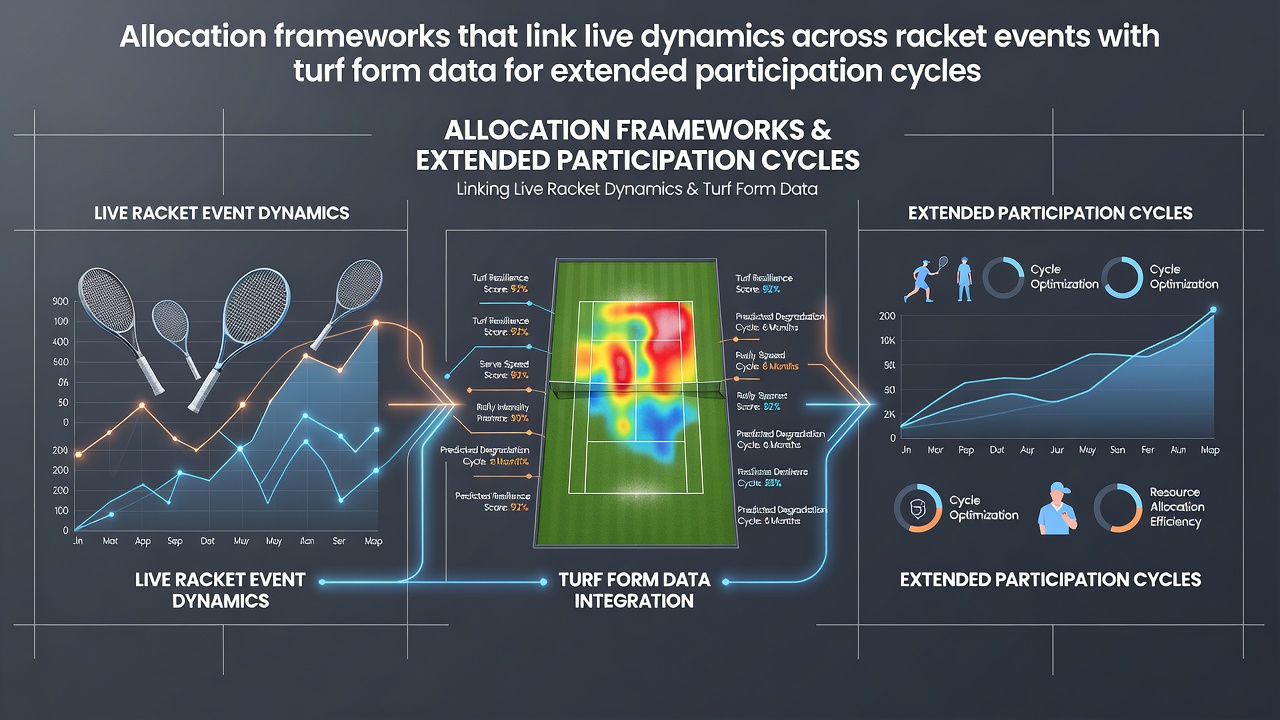
Allocation frameworks have emerged as structured systems that integrate live data streams from racket events with historical turf form records, creating pathways for sustained participation across multi-year cycles. These models process real-time variables such as point-by-point momentum shifts in tennis alongside pace and ground condition metrics from horse racing tracks. Observers note that such integration allows data flows to inform resource distribution over extended periods rather than isolated events.
Core Components of Integrated Allocation Systems
Frameworks typically combine three primary layers: real-time input modules that capture racket sport variables including serve percentages and rally lengths, static turf databases holding past performance indicators like track times and jockey records, and allocation engines that adjust participation weights based on cross-referenced outputs. Researchers at institutions including the University of Sydney have documented how these layers operate in sequence, with live racket feeds updating every few minutes while turf data refreshes on a daily cycle. The result produces weighted participation plans that stretch across six to eighteen month horizons.
One study from Canadian academic sources revealed that frameworks using synchronized data inputs reduced variance in allocation outcomes by measurable margins compared to single-sport models. Participants in these systems often apply the outputs to schedule entries across both racket tournaments and turf meetings, maintaining balance through automated rebalancing triggers.
Data Integration Methods Across Event Types
Live dynamics from racket events feed into the framework through APIs that stream match statistics, while turf form data arrives via standardized feeds covering surface conditions and historical results. Allocation algorithms then apply correlation matrices to identify overlaps, such as periods when tennis surface speed aligns with turf firmness trends. Those who've examined these processes describe the output as participation schedules that rotate emphasis between the two domains based on predictive stability scores.
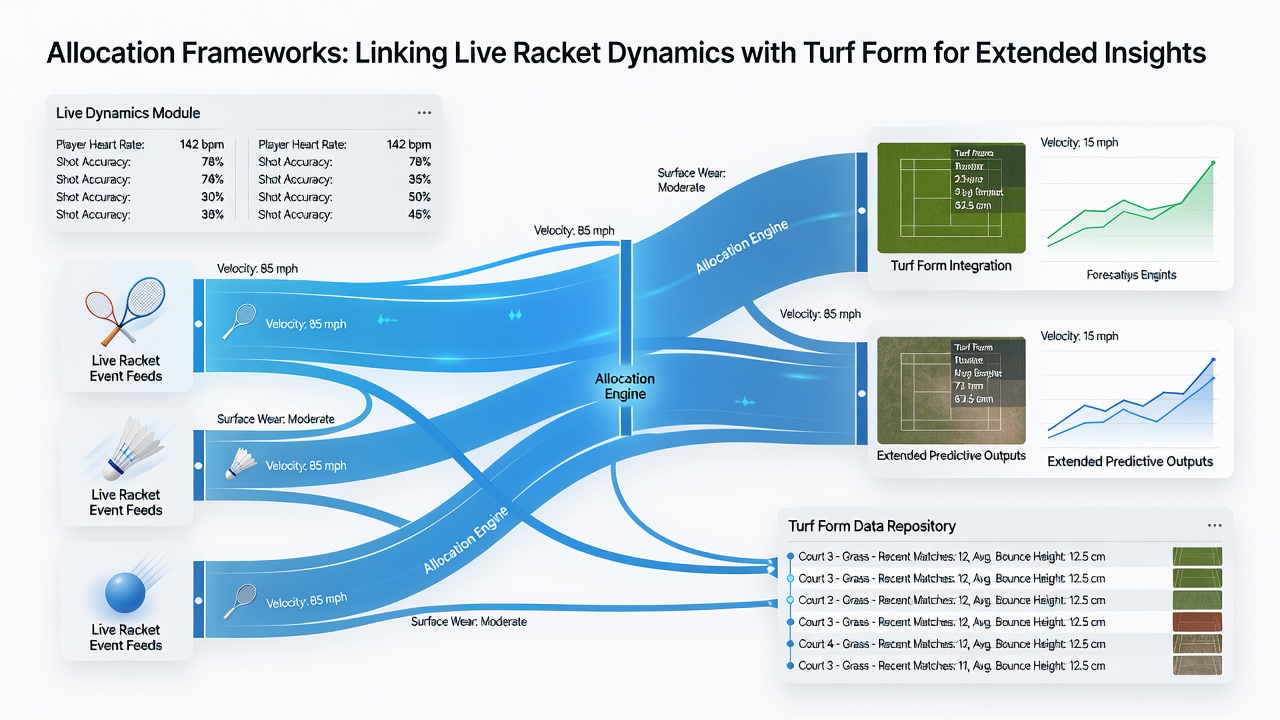
By August 2026, several European racing authorities had begun publishing enhanced turf datasets that include granular weather-adjusted performance figures, which allocation frameworks now ingest directly. This development has allowed models to extend their cycle projections beyond single seasons, incorporating multi-year surface evolution patterns alongside racket event scheduling calendars. The connections between these datasets create participation pathways that account for both immediate live shifts and longer-term form trajectories.
Application in Multi-Cycle Participation Planning
Extended participation cycles benefit when allocation frameworks distribute activity across racket and turf domains according to calculated exposure limits. Data from the Australian Sports Commission indicates that organizations implementing these linked systems recorded steadier engagement rates over three-year windows compared to those relying on separate tracking methods. The frameworks achieve this by generating rolling allocation tables that update when live racket data crosses predefined thresholds or when turf form records show seasonal shifts.
Case examples include professional syndicates that route a portion of resources toward upcoming tennis majors during periods of stable turf conditions elsewhere, then reverse emphasis when live match data signals emerging value. These rotations occur automatically once the framework processes the incoming streams, maintaining continuity without manual intervention at each step.
Technical Architecture Supporting Cross-Domain Links
Modern frameworks rely on modular software stacks that separate data ingestion from decision logic. Racket event APIs connect through secure endpoints that deliver structured JSON feeds, while turf databases operate on relational schemas optimized for historical queries. Middleware layers handle the translation between these formats, applying time-series alignment techniques so that live points from a tennis match can influence allocation weights alongside a horse's most recent turf outing. Industry reports from the European Gaming and Betting Association highlight adoption rates of these architectures rising steadily through 2025 and into 2026.
Security protocols ensure that sensitive participation records remain isolated from public data streams, yet the core allocation outputs remain accessible for review. This separation allows frameworks to scale across multiple users while preserving the integrity of the underlying cross-domain correlations.
Conclusion
Allocation frameworks that connect live racket dynamics with turf form data continue to expand their reach as data sources improve and integration methods mature. By August 2026 the patterns show increased use of extended cycle planning that treats racket and turf inputs as complementary rather than separate streams. The resulting systems support participation structures designed to operate across multiple seasons with consistent data-driven adjustments.