Aligning equine performance trends with racket sport rallies to enhance multi-event selection accuracy
Erik Peters · May 28, 2026
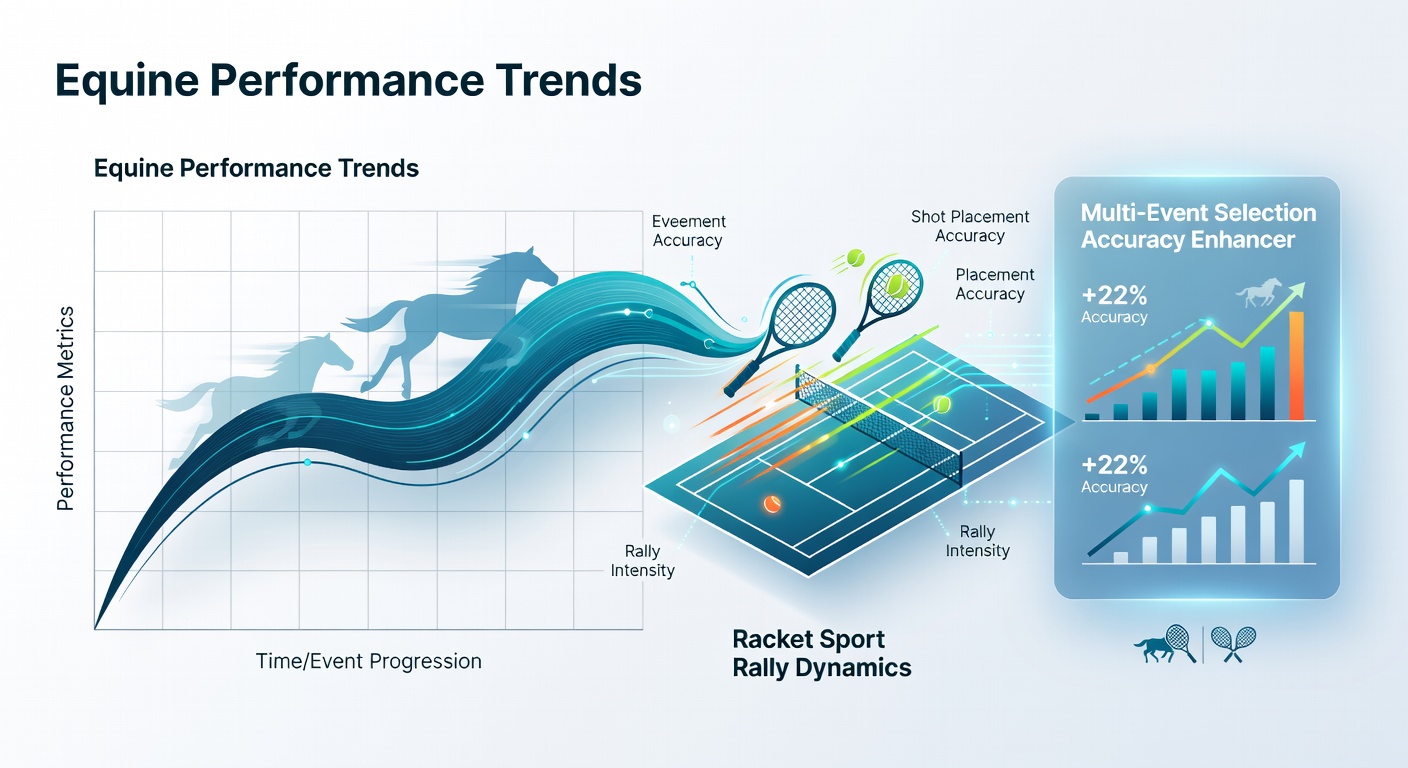
Aligning equine performance trends with racket sport rallies to enhance multi-event selection accuracy
Analysts in performance modeling have started mapping equine speed and stamina indicators from horse racing against rally duration and momentum shifts in racket sports, and this approach creates frameworks that sharpen selection processes for combined events. Data sets from thoroughbred tracks reveal patterns in stride efficiency and recovery intervals while tennis and squash records track point sequences that reflect player endurance under pressure, and cross-referencing these elements allows selectors to weigh variables such as surface conditions and fatigue thresholds with greater consistency across multiple competitions.
Core Metrics in Equine and Racket Sport Analysis
Researchers compile equine performance figures that include average race times over specific distances, heart rate recovery rates measured post-exercise, and historical responses to track gradients, and these numbers feed directly into algorithms that predict outcomes in subsequent races. Parallel records from racket disciplines capture rally lengths measured in shots per point, serve effectiveness percentages, and error rates during extended exchanges, while observers note that both domains share underlying principles of sustained output and tactical adjustment. Studies conducted by the Australian Institute of Sport have examined how horses maintain velocity across repeated efforts and how athletes sustain rally intensity, and the resulting comparisons highlight transferable indicators of form stability.
Integration Methods for Combined Event Data
Teams apply statistical overlays that align equine sectional timing splits with racket sport point construction sequences, and this process identifies periods where performance curves rise or decline in similar ways. Software platforms ingest raw inputs such as GPS-tracked horse positions during races and video-derived ball trajectory logs from matches, then generate composite scores that flag favorable windows for multi-event groupings. Observers note that synchronization improves when analysts factor in environmental variables like temperature effects on muscle function for horses and grip consistency for players, and the combined models reduce variance in projected results across simultaneous or sequential contests.
Practical Applications Across Event Calendars
Selectors who manage multi-event portfolios use these aligned data streams to refine choices involving horse racing fixtures paired with tennis tournaments, and the method accounts for overlapping fatigue profiles that appear in both domains. For instance one dataset might correlate a horse's post-layoff comeback metrics with a player's rally tolerance after a five-set match, and such pairings allow more precise calibration of selection thresholds. Figures from European equestrian federations and university-led racket sport projects demonstrate that integrated trend lines improve forecast reliability by highlighting convergences in recovery timelines and peak output phases, and practitioners apply these insights during scheduling windows that include major series events.

Industry reports indicate that adoption of such cross-domain tools expanded notably in advance of calendar adjustments scheduled for May 2026, when several governing bodies plan to introduce revised data reporting standards for both racing and racket competitions. The updated protocols emphasize standardized metrics for endurance and tactical execution, and analysts expect the changes to further streamline integration processes. Those who have tested prototype systems report smoother incorporation of live updates from trackside sensors and court-side tracking cameras, and the result supports more granular adjustments to selection matrices throughout a season.
Challenges in Data Alignment and Validation
Discrepancies arise when equine records emphasize distance-specific variables while racket sport logs prioritize shot variety and court positioning, and teams address these gaps through normalization techniques that convert disparate units into comparable scales. Validation studies rely on historical outcome archives to test whether aligned predictions outperform standalone models, and results from Canadian sports analytics centers show measurable gains in accuracy when both equine and racket datasets contribute to the same selection framework. Continued refinement depends on consistent data feeds from international events, and governing organizations continue to expand shared repositories that facilitate these comparisons.
Conclusion
Alignment of equine performance trends with racket sport rally characteristics supplies selectors with expanded reference points for multi-event decisions, and ongoing development of shared analytical standards supports broader application across diverse competition schedules. The approach draws on established metrics from both fields to construct more robust evaluation layers, and practitioners continue to refine these connections through iterative testing and expanded data partnerships.